-

- ISO 22716:2013-GMP

-
- ISO 45001:2018

-
- ISO 14001:2015

-
- ISO 10002:2018

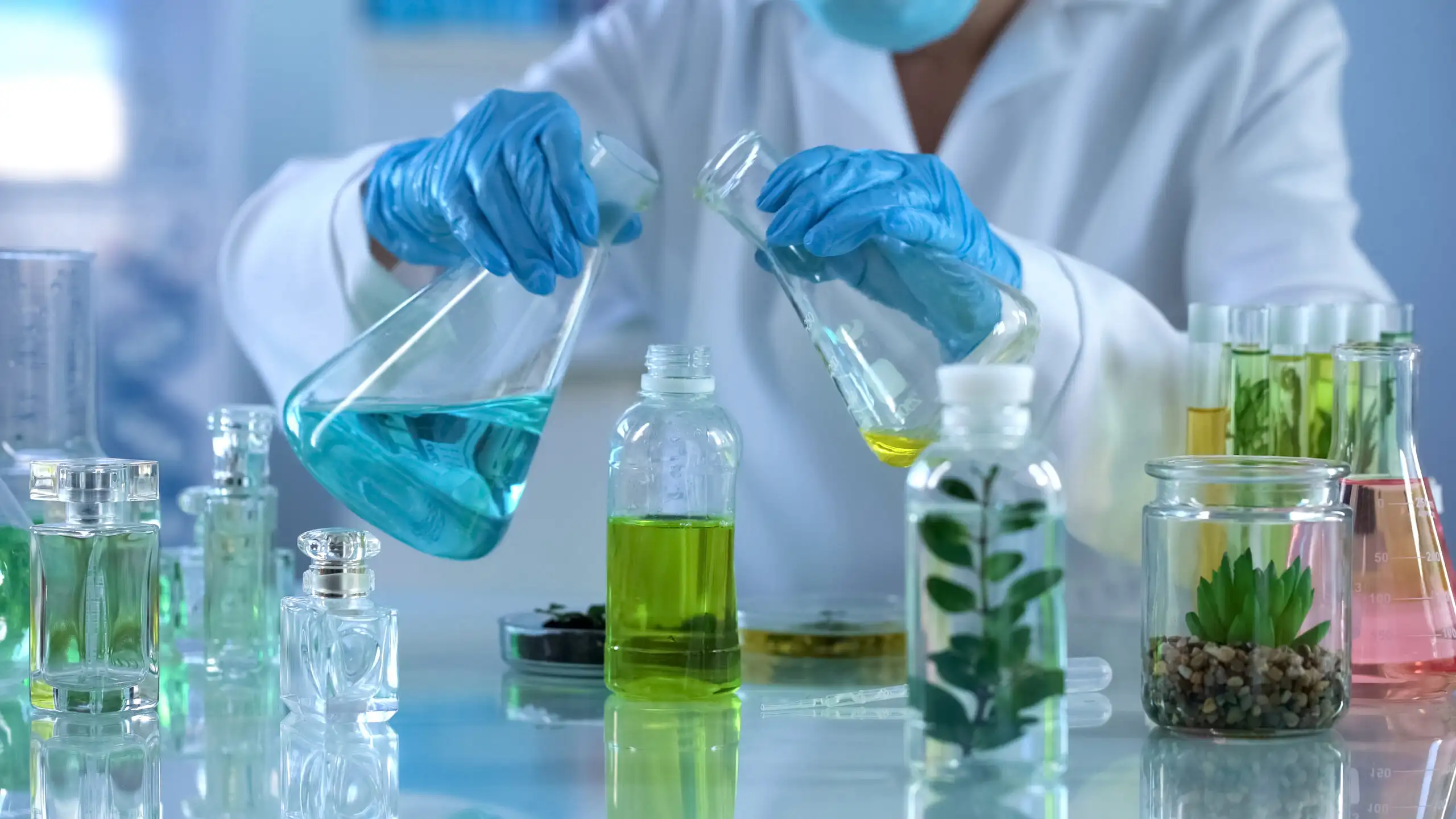
Shape the Future with Sustainability, Digitalisation and Innovative Products
The chemical industry has entered a serious transformation process as of 2025. Increasing environmental awareness, tightening regulations, the search for energy efficiency and digitalised production structures have completely changed the dynamics in the industry. With this change, the way for companies that produce and sell chemical products to stand out in the market is to adapt to these trends.
In this article, we examine the prominent chemical product trends in 2025 and the effects of this transformation on the industry in detail.
One of the most striking topics in 2025 is environmentally friendly products that replace fossil-based chemicals. Bio-based solvents, bioplastics and production technologies that reduce carbon emissions stand out.
In many regions, especially in the EU, the SSbD approach is at the forefront. Products are developed in a safe, non-toxic and sustainable manner at the design stage.
This approach both complies with legal regulations and lends credibility to the brand. Manufacturers make the entire process environmentally friendly, from raw materials to packaging.
As of 2025, digitalisation in the chemical industry has accelerated. Artificial intelligence and automation come into play at many stages from R&D processes to production lines.
The reuse of waste as a resource is one of the key strategies for 2025. While product production from waste becomes possible with the circular economy, models such as chemical leasing are also becoming widespread.
The need for intensive heat management in areas such as electric vehicles, 5G systems and artificial intelligence chips brings new chemical products to the agenda. Heat-conducting resins, nano-coatings and coolants developed for these areas are among the important investments.
Initiatives such as the EU's "Critical Chemical Alliance", launched in 2025, incentivise regional production of strategically important chemical raw materials.
Supply chains, which have become fragile after the pandemic, are being restructured with digitalisation. Companies control the entire process from raw material procurement to shipment with digital platforms.


